
- Events
MSPO 2026: What We Took Away from Kielce
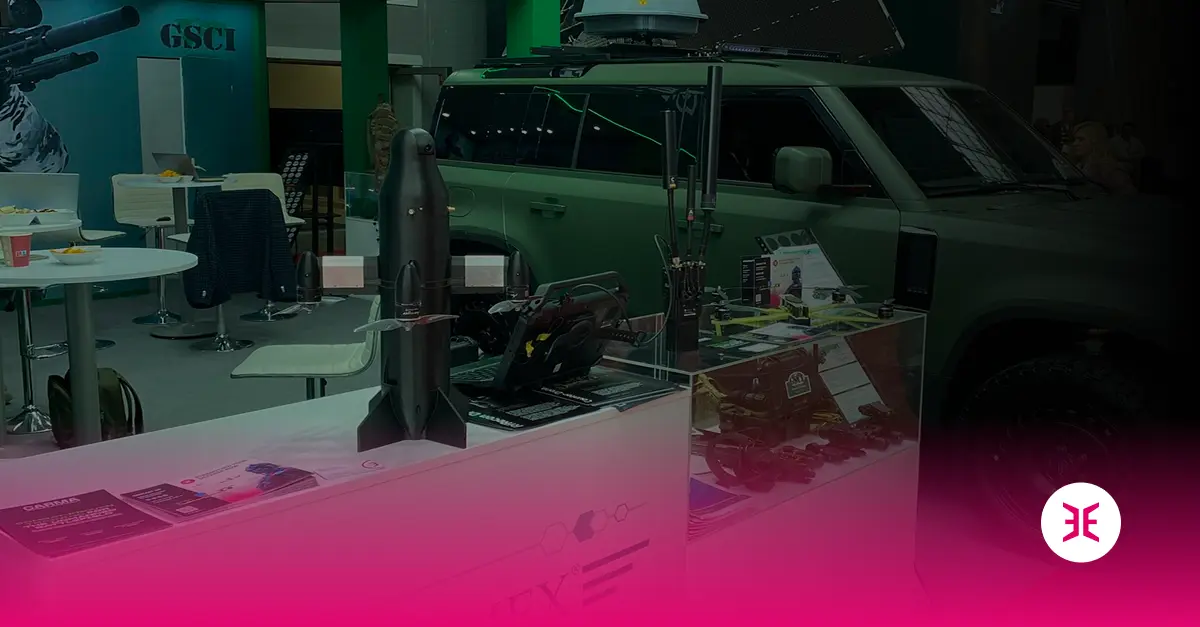
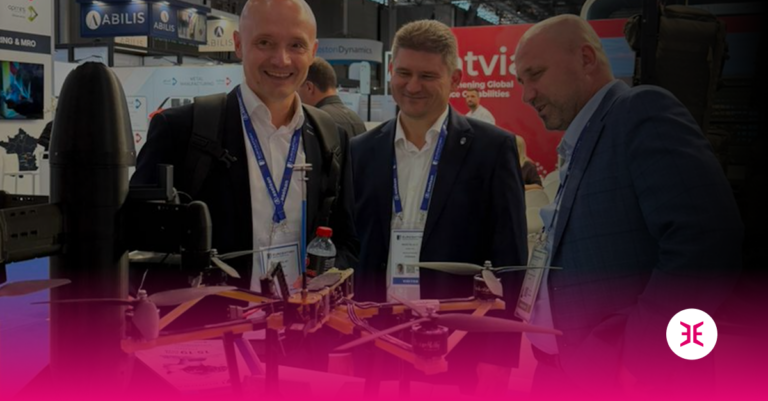
MSPO 2026 in Kielce wrapped up on 11 September, and the direction of travel was clear: attention keeps shifting toward coordinated, software-defined systems rather than standalone platforms.
DK NEJET attended alongside our partners. Four days of back-to-back meetings confirmed strong, specific interest in one question: how do autonomy and mass-produced defence systems fit together?
The numbers behind the shift
The economics of air defence have flipped: cheap drones now arrive in volumes that expensive interceptors cannot match. A few figures investors and defence planners should have in front of them:
- MSPO itself is growing fast. The 2026 show drew more than 1,000 exhibitors from over 40 countries, and Prime Minister Donald Tusk put attendance at 45,000 visitors from 60 countries. In 2025, it had 811 exhibitors and more than PLN 6 billion in contracts signed on site.
- The cost gap is roughly 40 to 1. During the September 2025 incursion into Poland, about two dozen Russian drones, estimated at €10,000 each, crossed the border. Allied jets answered with missiles costing around €400,000 apiece.
- One incursion, national disruption. The same night closed four Polish airports, including Warsaw Chopin, and led NATO to launch Operation Eastern Sentry.
- Russia’s output is industrial. Estimates put Russian production at up to 400 long-range drones a day, at $30,000 to $50,000 each.
- Ukraine shows what mass production looks like. FPV output grew from 3,000–5,000 units a year in 2022 to about 3 million in 2025, at $300–400 per drone. Ukraine’s security council says FPV drones now inflict 60% of Russian losses.
- Cheap interceptors work. By early 2026, Ukrainian firms were producing up to 1,000 interceptor drones a day, and in February they accounted for 70% of Shahed intercepts around Kyiv.
- The counter-drone market is set to triple. MarketsandMarkets projects the counter-UAS market will grow from $9.17 billion in 2026 to $29.7 billion by 2031, a 26.5% annual growth rate. Other analysts size the 2026 market lower, but all point to steep growth.
The lesson is clear: defending against mass requires mass. That means low-cost, networked, software-defined systems that can be produced at scale, which is exactly where the conversations in Kielce kept landing.
The conversation that stood out
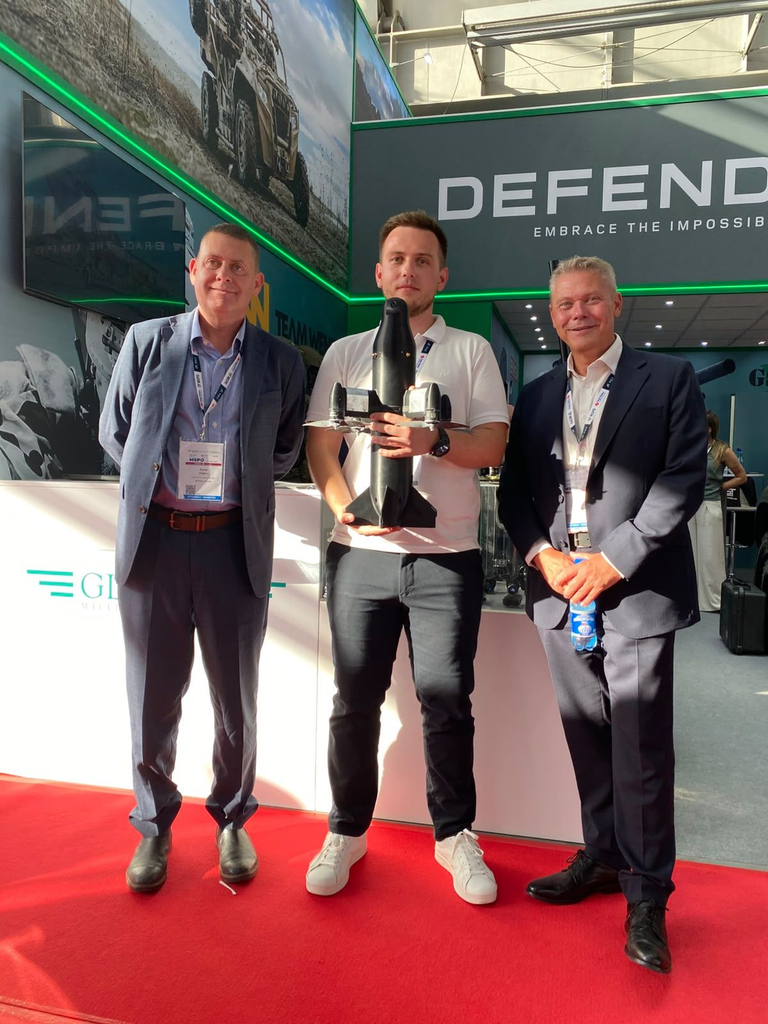
One meeting stood out. We sat down with Russ Gregory, Head of NATO and Strategic Partnerships, and David Codling, Business Development Director, both of MSI-Defence Systems Ltd.
It was a substantive discussion on where our approaches to autonomous operations and defence systems overlap. We found enough common ground to give us a real basis for future cooperation.
Thank you
Thank you to Taras Lavrysh for leading these conversations on the ground and turning a packed show floor into concrete next steps. And thanks to our partners at GLOMEX Military Supplies for welcoming us at their stand.
We’re following up on the leads from Kielce now. If you’d like to talk about scalable counter-drone systems for NATO’s eastern flank, get in touch.
